Delhi University Admission Process 2026: A Complete Guide After CUET

The Reality of DU Admissions
Delhi University admissions are based on:
- Your CUET subject eligibility
- Your normalized score
- Your CSAS preference strategy
DU follows an automated system that allocates seats based on preferences and availability.
Miss one step → seat gone. So yes, pay full attention to the process.
Step 1: Registration on DU CSAS Portal (June – Tentative)
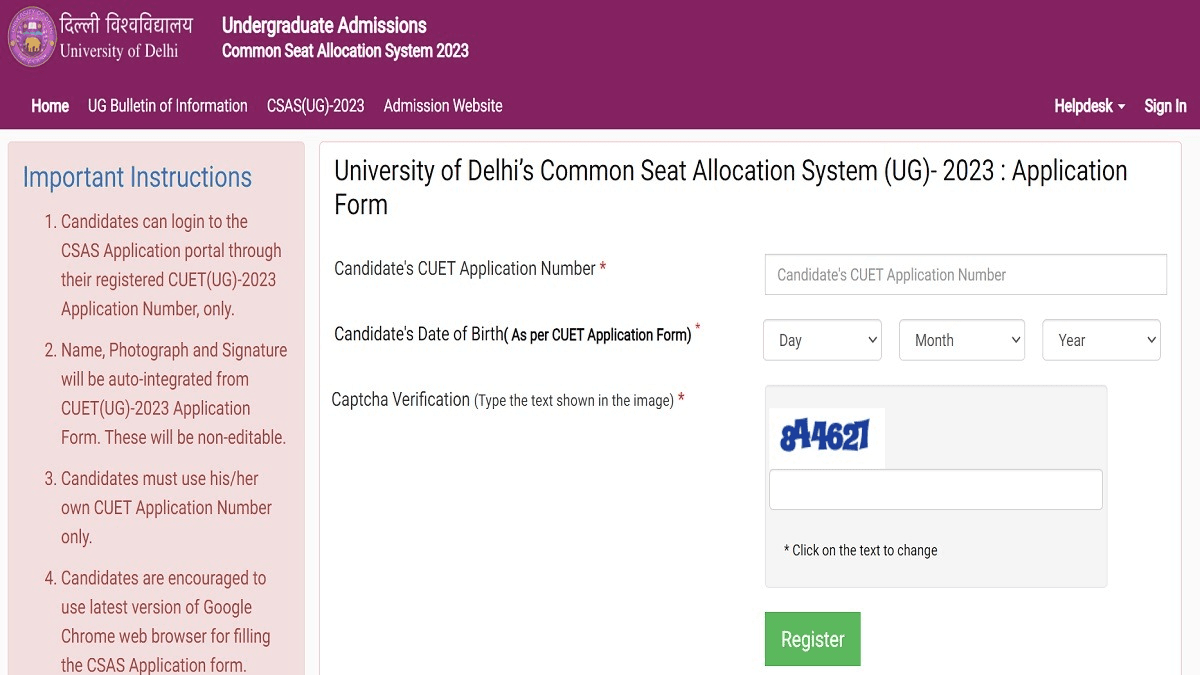
After CUET results, DU opens its official admission portal called CSAS (Common Seat Allocation System).
This step is mandatory.
You’ll need your:
- CUET application number
- Personal and academic details
- Category certificates (if applicable)
No CSAS registration means no DU admission, regardless of score.
Step 2: CSAS Phase 1 – Profile & Eligibility Verification
Phase 1 focuses purely on eligibility, not seat allotment.
Here you will need to:
- Enter Class 10 & 12 details
- Upload marksheets and certificates
- Confirm category, EWS, PwD status and their certificates.
This is where DU checks: “Are you eligible for the courses you’ll apply for later?”
Even a small mistake here can silently disqualify you from certain programs like subject criterion.
Step 3: Understand DU Course Eligibility Before Preferences
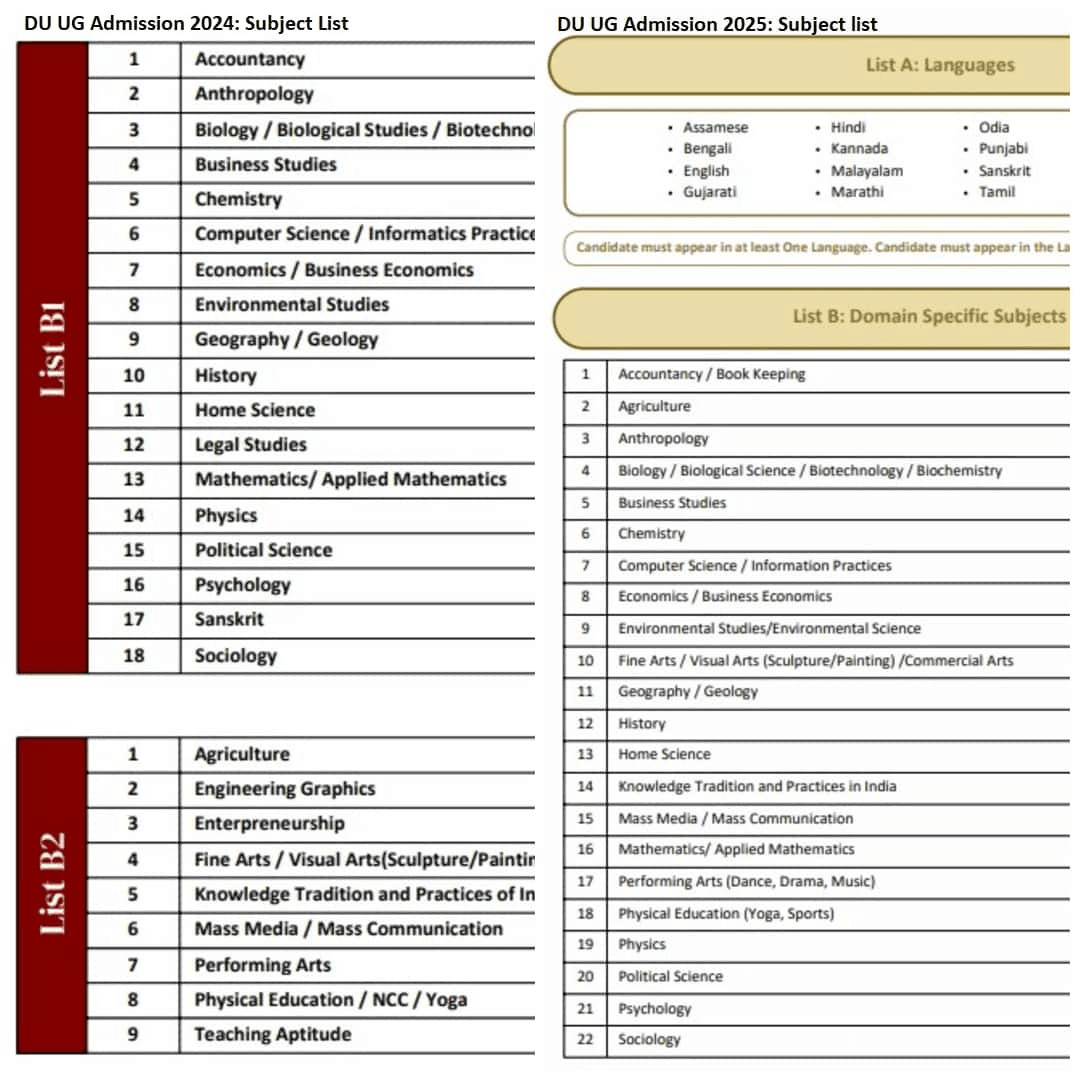
One strict rule of DU: Only Class 12 subjects are considered as CUET subjects and must be chosen correctly as per course
Examples:
- B.Com (Hons) → Accountancy or Maths required
- BA (Hons) Economics → Maths compulsory
- BA Programme → Combination-based eligibility
If you didn’t study a subject in Class 12, DU won’t consider it, even if you scored high in CUET. This step decides what you can and cannot fill in preferences.
Step 4: CSAS Phase 2 – Preference Filling (Make or Break Stage)
This is the most important part of DU admissions.
You must:
- Select program + college combinations
- Arrange them in strict priority order
- Lock your preferences carefully
For Example:
- BA (Hons) Political Science – Hindu College
- BA (Hons) Political Science – Hansraj College
- BA Programme – Miranda House
There is no limit to how many preferences you can fill.
Therefore, More valid preferences = higher chances of allocation.
Step 5: DU Seat Allocation Rounds
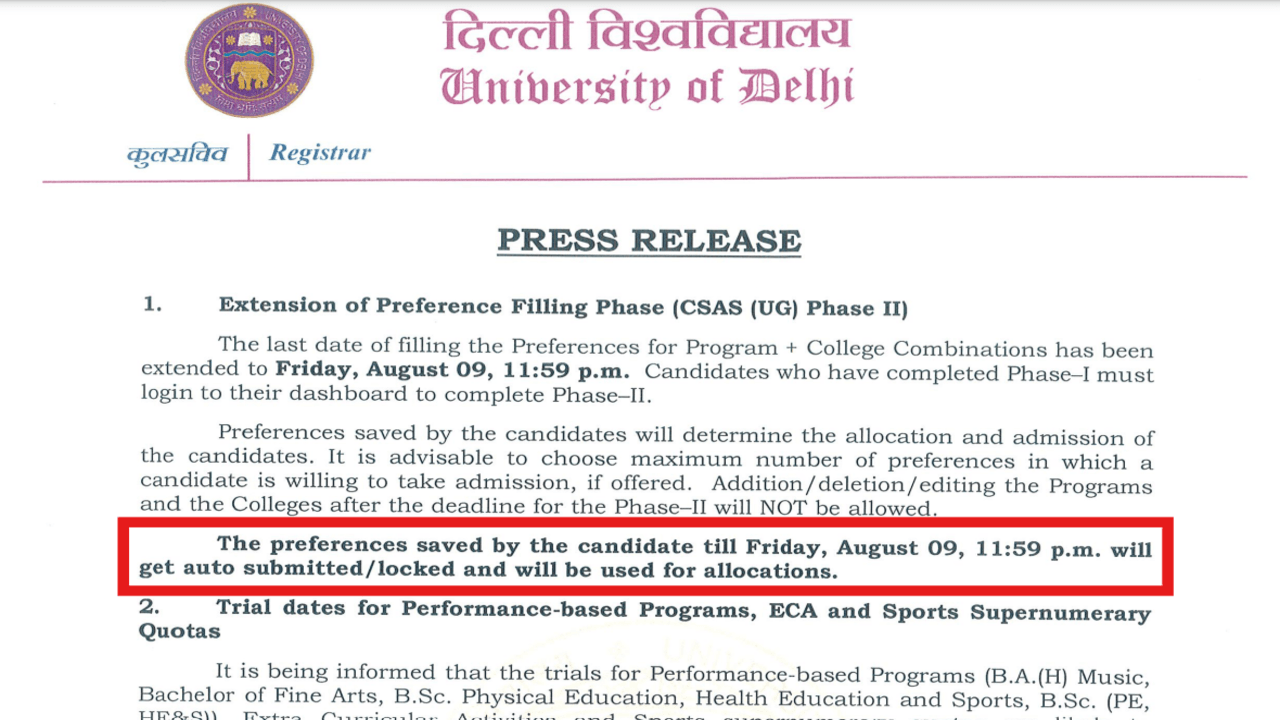
**This Notice is from previous year not the current year directives
DU releases multiple allocation rounds.
When a round is announced, check:
- Whether a seat is allotted
- Which college and program
- Deadlines for acceptance
If you get a seat, you must respond within the correct time frame.
Step 6: Seat Acceptance (Compulsory Step)
If allotted:
- Click “Accept Seat” on CSAS portal
Accepting does not lock your admission permanently, it only shows willingness.
Not accepting = automatic exit from that round.
Step 7: College-Level Document Verification
After acceptance:
- College verifies documents online
- Queries may be raised
- You usually get 24–48 hours to respond
Delayed response may result in your seat cancellation.
Step 8: Fee Payment – Final Confirmation
Once documents are approved:
- Fee payment link becomes active
- Pay within the deadline
- Download fee receipt
Missing the deadline means losing the seat permanently.
Step 9: Upgradation & Further Rounds
If you choose Upgrade:
- You stay eligible for higher preferences
- Current seat remains temporarily safe
- If upgraded, old seat is auto-cancelled
If not upgraded, your seat stays confirmed.
Step 10: Admission Confirmation & Acknowledgement Slip
After final rounds:
- Download acknowledgement slip
- Save:
- CSAS confirmation
- Allocation letter
- Fee receipt
These documents are important for future verification.
Step 11: College Opening & Orientation (Late July – Early August)
Classes usually begin by late July or early August.
This includes:
- Orientation programs
- Department briefings
Welcome to Delhi University.
Get Dubuddy App
Practice on the go with our mobile app
Test Series
CUET Subjects
Your CUET Journey Starts with DuBuddy
CUET ki Practice Means DuBuddy Pe Practice